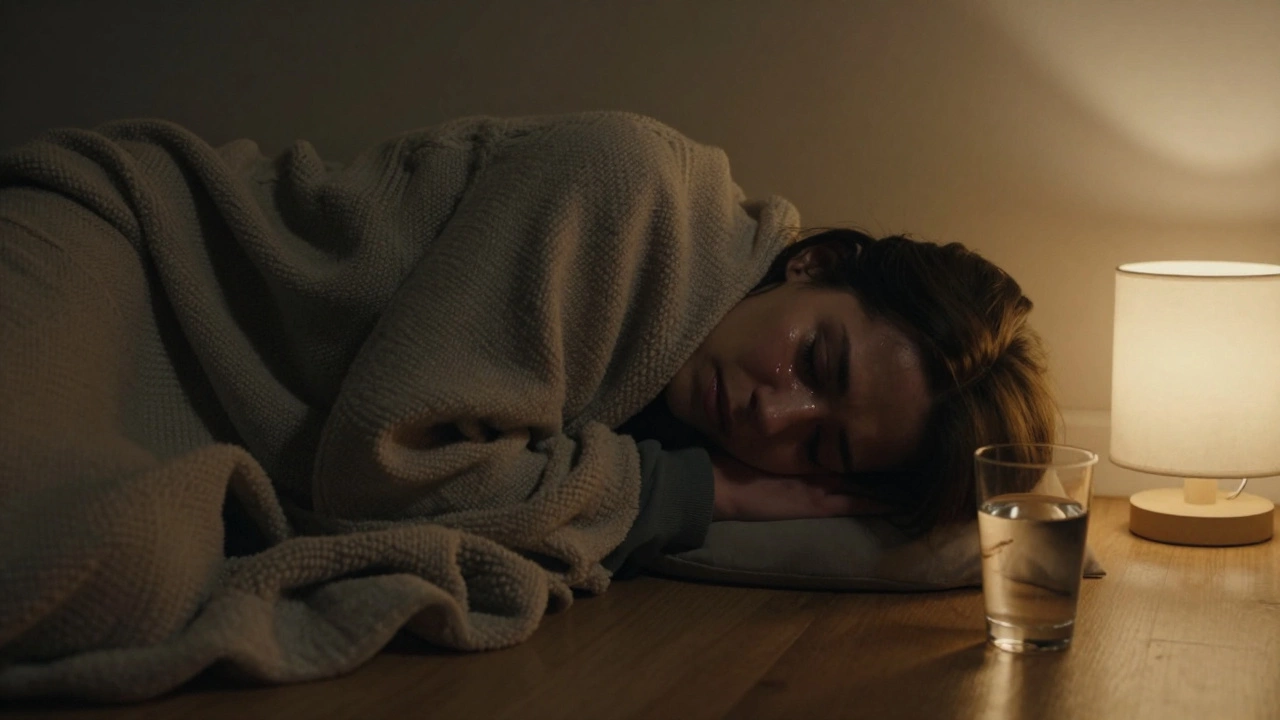
A sub drop isn’t just a feeling-it’s a physiological and emotional crash that hits after intense power exchange in BDSM. You’ve pushed your limits, surrendered control, and rode the high of submission. Now, hours or even days later, you’re drained, tearful, confused, or numb. It’s not weakness. It’s biology. Your body has been flooded with adrenaline, endorphins, and oxytocin during the scene. When the stimulation stops, those chemicals vanish faster than they came. What’s left is a void. That’s the sub drop.
Some people mistake it for regret. Others think they’ve done something wrong. But if you’ve ever felt hollow after a scene, you’re not alone. In fact, it’s one of the most common experiences among active submissives. That’s why aftercare isn’t optional-it’s essential. And while some turn to body massage dubai as part of their recovery ritual, others find grounding in quiet touch, warm blankets, or simply being held without expectation.
Why Your Body Reacts This Way
Your nervous system doesn’t distinguish between danger and ecstasy when it’s in overdrive. During a dominant scene, your body goes into survival mode-heart racing, muscles tensing, senses sharpened. That’s your sympathetic nervous system firing. But when the scene ends, your parasympathetic system tries to bring you back to baseline. The problem? It’s like slamming the brakes on a motorcycle going 100 km/h. The crash isn’t just emotional-it’s chemical.
Studies show that after prolonged submission, cortisol levels spike, then plummet. Serotonin drops. Dopamine crashes. This isn’t just "feeling sad." It’s a real neurochemical imbalance. That’s why some subs feel physically ill-headaches, nausea, muscle aches. Others cry for no reason. Some withdraw completely. None of it means the scene was bad. It means your body did its job.
What Triggers a Sub Drop?
Not every scene causes a drop. But certain factors make it more likely:
- Longer scenes-over 90 minutes
- Intense psychological play-humiliation, degradation, or forced vulnerability
- Lack of aftercare or emotional check-ins
- Physical exhaustion-flogging, bondage, or sensory deprivation
- Unresolved emotional triggers from past trauma
It’s not about how hard you were pushed-it’s about how much you gave. The deeper the surrender, the harder the fall. That’s why experienced subs often plan their scenes around recovery. No one does a full-day power exchange on a Tuesday before work. That’s not smart. That’s asking for trouble.
Aftercare Isn’t Just Cuddling
Aftercare isn’t about saying "good job" and handing over a glass of water. It’s a structured re-entry process. It includes:
- Physical comfort: warm drinks, blankets, gentle touch
- Emotional validation: "You’re safe now," "I see you," "It’s okay to feel this way"
- Reconnection: talking, silence, or even just being in the same room
- Hydration and nutrition: sugar and salt help stabilize blood pressure and mood
- Time: no rushing back to normal life. Let the body reset
Some people need hours. Others need days. A good dominant doesn’t disappear after the scene ends. They check in. They ask: "How are you really?" Not "Are you okay?"-that’s a yes/no trap. They give space, but they don’t vanish.

How to Prevent or Reduce a Sub Drop
You can’t always stop it-but you can soften the landing.
- Set a clear scene end time. Don’t let it drift into exhaustion.
- Use a safe word that means "pause and reset," not just "stop."
- Have a post-scene ritual: a shower, a walk, listening to music you love.
- Keep snacks and electrolytes nearby. Low blood sugar makes drops worse.
- Communicate your needs before the scene. "I need to be held for 20 minutes after," or "I need quiet for an hour."
And if you’re the dominant? Don’t assume they’re fine because they smiled at the end. Ask. Then wait for the real answer.
When a Sub Drop Becomes Something Worse
Most sub drops fade within 24 to 72 hours. But if you’re still crying three days later, can’t sleep, feel detached from reality, or have thoughts of self-harm-you’re not just having a drop. You’re experiencing a psychological reaction that needs attention.
Some people carry unresolved trauma that surfaces during submission. A scene might unlock buried emotions. That’s not failure. It’s a signal. Talk to a therapist who understands kink. Not one who pathologizes it. One who knows the difference between a drop and a breakdown.
And if you’re a dominant and your sub is struggling? Don’t dismiss it. Don’t say "it’s all in your head." Be their anchor. Help them find support. That’s what real dominance looks like-not control, but responsibility.
Connection to Other Sensory Experiences
Some people use physical touch to ground themselves after a drop. A long body massage, deep pressure, or even a warm bath can help reset the nervous system. That’s why some turn to specialized services like lingam massage-not for erotic purposes, but for somatic recalibration. The focus is on releasing tension, restoring flow, and bringing awareness back to the body. It’s therapeutic. It’s intentional. And it’s not about sex-it’s about healing.
Others find relief in rhythmic movement-walking, yoga, swimming. Anything that brings the mind back into the present. The goal isn’t to escape the feeling. It’s to move through it.
In cities like Dubai, where privacy and discretion are valued, services like body massage dubai have become part of a broader wellness culture for those who live intensely. Whether it’s for recovery after a scene, stress relief, or simply reconnecting with your body, these spaces offer more than touch-they offer sanctuary.
Myth: Only New Subs Get Drops
That’s false. Even after years of practice, experienced subs still get drops. The difference? They know how to handle them. They’ve built routines. They have people they trust. They don’t feel shame.
One submissive I spoke with-she’s been in D/s dynamics for over a decade-said her worst drop came after a 12-hour session where she was bound, blindfolded, and verbally dominated. She cried for six hours straight. She didn’t tell anyone. She thought she’d broken something inside her. She didn’t know it was normal.
That’s the danger of silence. The more you hide it, the more it controls you.
Why This Matters Beyond Kink
The lessons from sub drops apply to anyone who pushes themselves to emotional or physical extremes. Athletes after a marathon. Parents after a crisis. People recovering from burnout. We all have moments when we give everything-and then collapse.
Sub drop teaches us that surrender isn’t weakness. It’s courage. And recovery isn’t optional. It’s survival.
If you’ve ever given too much and felt nothing left, you’re not broken. You’re human. And you deserve care-not judgment.
Final Thought: Your Body Remembers
After a scene, your body doesn’t forget the intensity. It holds onto it. That’s why grounding techniques matter. Why touch matters. Why someone saying "I’m here" matters more than you know.
And if you’re reading this because you’re in the middle of a drop right now? Breathe. Drink water. Wrap yourself in something soft. You’re not alone. This will pass.
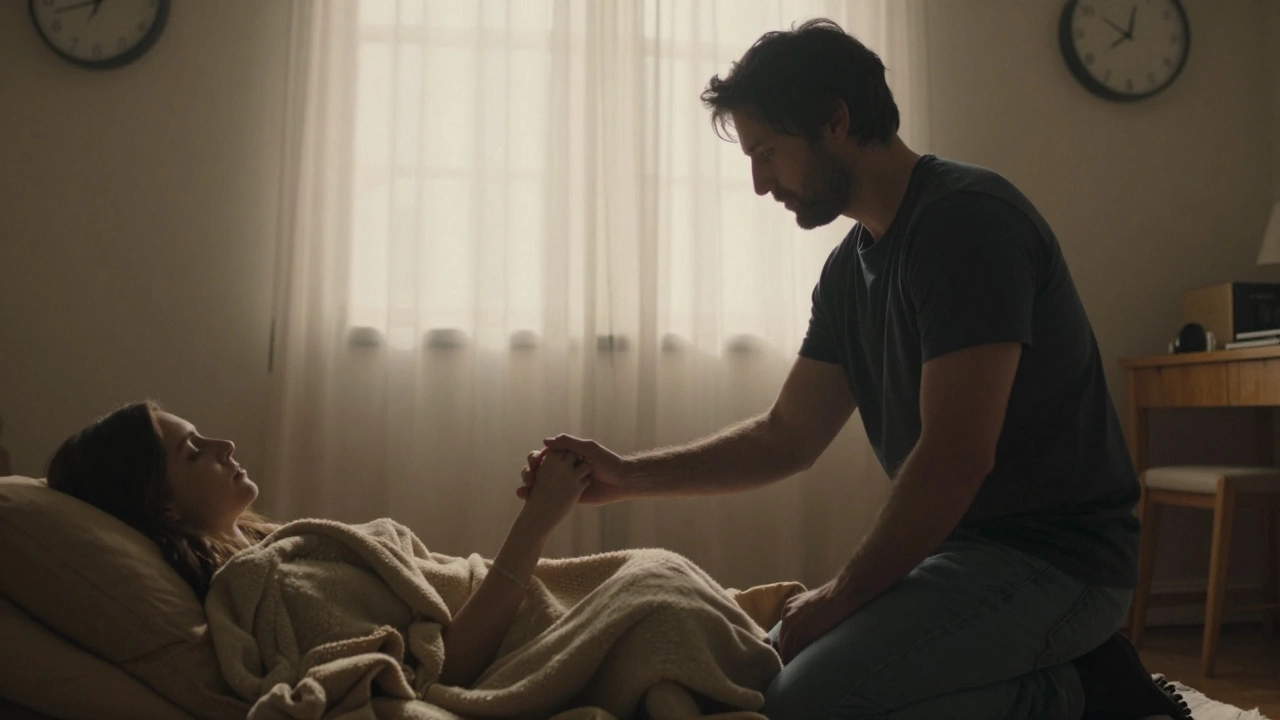
And if you’re reading this because you want to understand someone else’s drop? Listen. Don’t fix. Don’t rush. Just be there. That’s all they need.
Some people find peace in silence. Others in sound. Some in the quiet hum of a massage international city spa, where the air is warm and the hands are skilled. Where the only demand is presence.

Alistair Lockridge
Hi, I'm Alistair Lockridge, a sports enthusiast with a special passion for the game of polo. I've spent years studying and analyzing the sport, eventually transforming my knowledge into insightful articles and engaging commentary. My love for polo has taken me around the world, and I've had the pleasure of witnessing some of the most thrilling matches in the sport's history. My goal is to share my passion and expertise with fellow polo enthusiasts and newcomers alike, and contribute to the ever-growing appreciation for this exciting game.